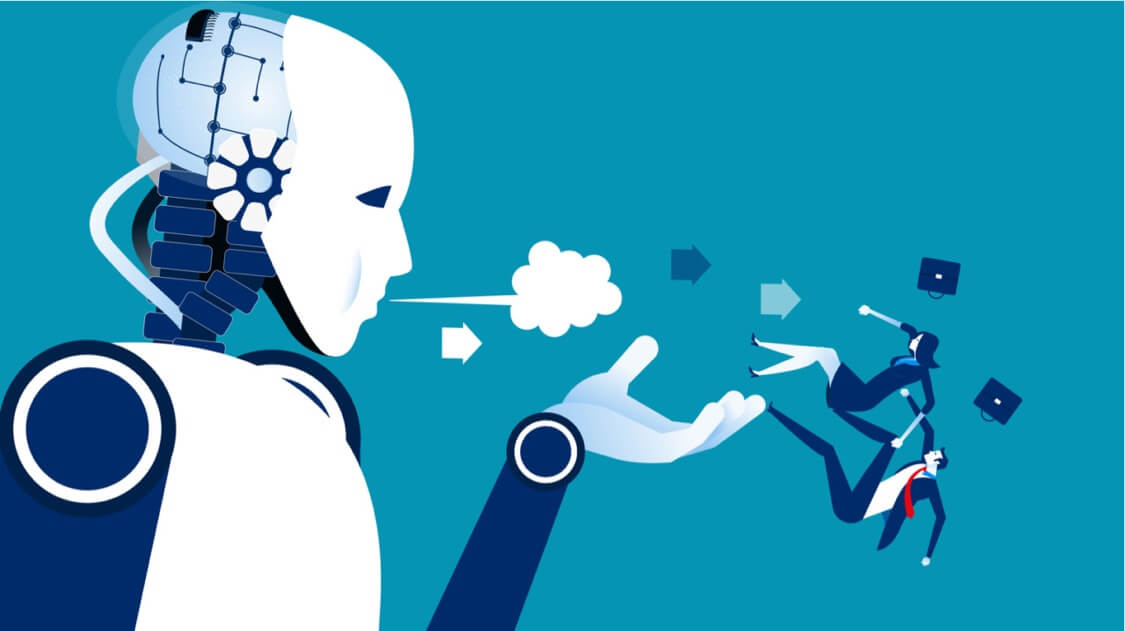
 Introduction:
Artificial Intelligence (AI) is one of the most exciting technological advancements of the 21st century. The world eagerly anticipates what the future holds for this revolutionary technology, especially how it will affect the job market. It appears that artificial intelligence will have a profound impact on jobs and work patterns in the future. In this article, we will explore these effects and how individuals and businesses can adapt to this transformation.
Part 1: Technological Advancements and Artificial Intelligence
Artificial Intelligence encompasses a set of techniques and systems that allow devices and systems to learn, think, and make decisions autonomously. It relies on data and algorithms to perform various tasks, such as voice and image recognition, language translation, and even complex decision-making. These technologies have evolved rapidly over the years and have become an integral part of our daily lives.
Part 2: Effects of Artificial Intelligence on the Job Market
The Disappearance of Traditional Jobs:
The future of work will witness radical changes regarding routine and repetitive jobs. It is expected that new jobs will emerge that require creative thinking and complex decision-making, while jobs that can be automated by AI will be phased out.
Increased Collaboration between Humans and Machines:
Workers will need to collaborate more extensively with smart systems. The ability to understand how to work alongside artificial intelligence will be a crucial skill. This will make work more productive and efficient.
Integration of Artificial Intelligence Across Industries:
Artificial intelligence will not be confined to specific industries but will penetrate various sectors, including medicine, agriculture, and education. New opportunities will arise to develop intelligent solutions in various fields.
Part 3: How Individuals and Businesses Can Adapt
Lifelong Learning:
Individuals must invest in continuous education and develop their technological skills. The role of educational institutions and governments in providing suitable educational programs is critical.
Transformation in Work Practices:
Businesses should innovate and adapt their work practices to encourage collaboration between humans and artificial intelligence. This includes guiding employees toward tasks that benefit from their unique skills and supplementing them with technology.
Conclusion:
The future of artificial intelligence and its impact on the job market is a complex and ever-changing topic. Despite the challenges that this transformation may pose, there are significant opportunities to enhance innovation and increase productivity. Through continuous education and rapid adaptation, individuals and businesses can harness the benefits of artificial intelligence and contribute to creating a more intelligent and sustainable future of work.
Introduction:
Artificial Intelligence (AI) is one of the most exciting technological advancements of the 21st century. The world eagerly anticipates what the future holds for this revolutionary technology, especially how it will affect the job market. It appears that artificial intelligence will have a profound impact on jobs and work patterns in the future. In this article, we will explore these effects and how individuals and businesses can adapt to this transformation.
Part 1: Technological Advancements and Artificial Intelligence
Artificial Intelligence encompasses a set of techniques and systems that allow devices and systems to learn, think, and make decisions autonomously. It relies on data and algorithms to perform various tasks, such as voice and image recognition, language translation, and even complex decision-making. These technologies have evolved rapidly over the years and have become an integral part of our daily lives.
Part 2: Effects of Artificial Intelligence on the Job Market
The Disappearance of Traditional Jobs:
The future of work will witness radical changes regarding routine and repetitive jobs. It is expected that new jobs will emerge that require creative thinking and complex decision-making, while jobs that can be automated by AI will be phased out.
Increased Collaboration between Humans and Machines:
Workers will need to collaborate more extensively with smart systems. The ability to understand how to work alongside artificial intelligence will be a crucial skill. This will make work more productive and efficient.
Integration of Artificial Intelligence Across Industries:
Artificial intelligence will not be confined to specific industries but will penetrate various sectors, including medicine, agriculture, and education. New opportunities will arise to develop intelligent solutions in various fields.
Part 3: How Individuals and Businesses Can Adapt
Lifelong Learning:
Individuals must invest in continuous education and develop their technological skills. The role of educational institutions and governments in providing suitable educational programs is critical.
Transformation in Work Practices:
Businesses should innovate and adapt their work practices to encourage collaboration between humans and artificial intelligence. This includes guiding employees toward tasks that benefit from their unique skills and supplementing them with technology.
Conclusion:
The future of artificial intelligence and its impact on the job market is a complex and ever-changing topic. Despite the challenges that this transformation may pose, there are significant opportunities to enhance innovation and increase productivity. Through continuous education and rapid adaptation, individuals and businesses can harness the benefits of artificial intelligence and contribute to creating a more intelligent and sustainable future of work.
---------------------------------------------------------------------------------------------------------------------------------
يُعد الذكاء الاصطناعي
(AI) واحدًا من أكثر التطورات التكنولوجية إثارة للاهتمام في القرن الواحد والعشرين. يترقب العالم بفارغ الصبر ما سيحمله مستقبل هذه التكنولوجيا الثورية، وعلى وجه الخصوص كيف سيؤثر على سوق العمل. يبدو أن الذكاء الاصطناعي سيكون له تأثير جذري على الوظائف وأنماط العمل في المستقبل. سنستكشف في هذه المقالة تلك التأثيرات وكيف يمكن للأفراد والمؤسسات التكيف مع هذا التحول.
الجزء الأول: تطور التكنولوجيا والذكاء الاصطناعي
الذكاء الاصطناعي هو مجموعة من التقنيات والأنظمة التي تسمح للأجهزة والأنظمة بالتعلم والتفكير واتخاذ القرارات بشكل ذاتي. يستند إلى البيانات والخوارزميات لتحقيق مهام متنوعة، مثل التعرف على الصوت والصور والترجمة اللغوية وحتى اتخاذ القرارات الأكثر تعقيدًا. تطورت هذه التكنولوجيا بشكل سريع على مر السنوات وأصبحت جزءًا لا يتجزأ من حياتنا اليومية.
الجزء الثاني: تأثيرات الذكاء الاصطناعي على سوق العمل
انقراض الوظائف التقليدية:
سيشهد مستقبل العمل تغييرات جذرية فيما يتعلق بالوظائف الروتينية والمكررة. من المتوقع أن تتولد وظائف جديدة تتطلب التفكير الإبداعي والقرارات المعقدة، في حين يتم استبعاد الوظائف التي يمكن أتمتتتها بواسطة الذكاء الاصطناعي.
زيادة التعاون بين الإنسان والآلة:
سيتعين على العاملين التعاون مع الأنظمة الذكية بشكل أوسع. ستكون القدرة على فهم كيفية العمل جنبًا إلى جنب مع الذكاء الاصطناعي مهارة أساسية. هذا سيجعل العمل أكثر إنتاجية وكفاءة.
اندماج الذكاء الاصطناعي في الصناعات المتعددة:
لن يكون الذكاء الاصطناعي محصورًا في صناعات معينة بل سيتوغل في العديد من القطاعات مثل الطب والزراعة والتعليم. ستظهر فرص جديدة لتطوير حلول ذكية في مختلف المجالات.
الجزء الثالث: كيف يمكن للأفراد والمؤسسات التكيف؟
التعليم المستمر:
يجب على الأفراد الاستثمار في التعليم المستمر وتطوير مهاراتهم التكنولوجية. دور المؤسسات التعليمية والحكومات في تقديم البرامج التعليمية المناسبة يكون حاسمًا.
التحول في طرق العمل:
يجب على المؤسسات أن تبتكر وتعدل طرق العمل الخاصة بها لتشجيع التعاون بين البشر والذكاء الاصطناعي. هذا يتضمن توجيه العمال نحو مهام تستفيد من مهاراتهم الفريدة وتكميلها بالتكنولوجيا.
الختام:
مستقبل الذكاء الاصطناعي وتأثيراته على سوق العمل موضوع معقد ومتغير باستمرار. على الرغم من التحديات التي يمكن أن يطرحها هذا التحول، إلا أن هناك فرصًا كبيرة لتعزيز الابتكار وزيادة الإنتاجية. بالتعليم المستمر والتكيف السريع، يمكن للأفراد والمؤسسات الاستفادة من فوائد الذكاء الاصطناعي والمساهمة في خلق مستقبل عمل أكثر ذكاءً واستدامة